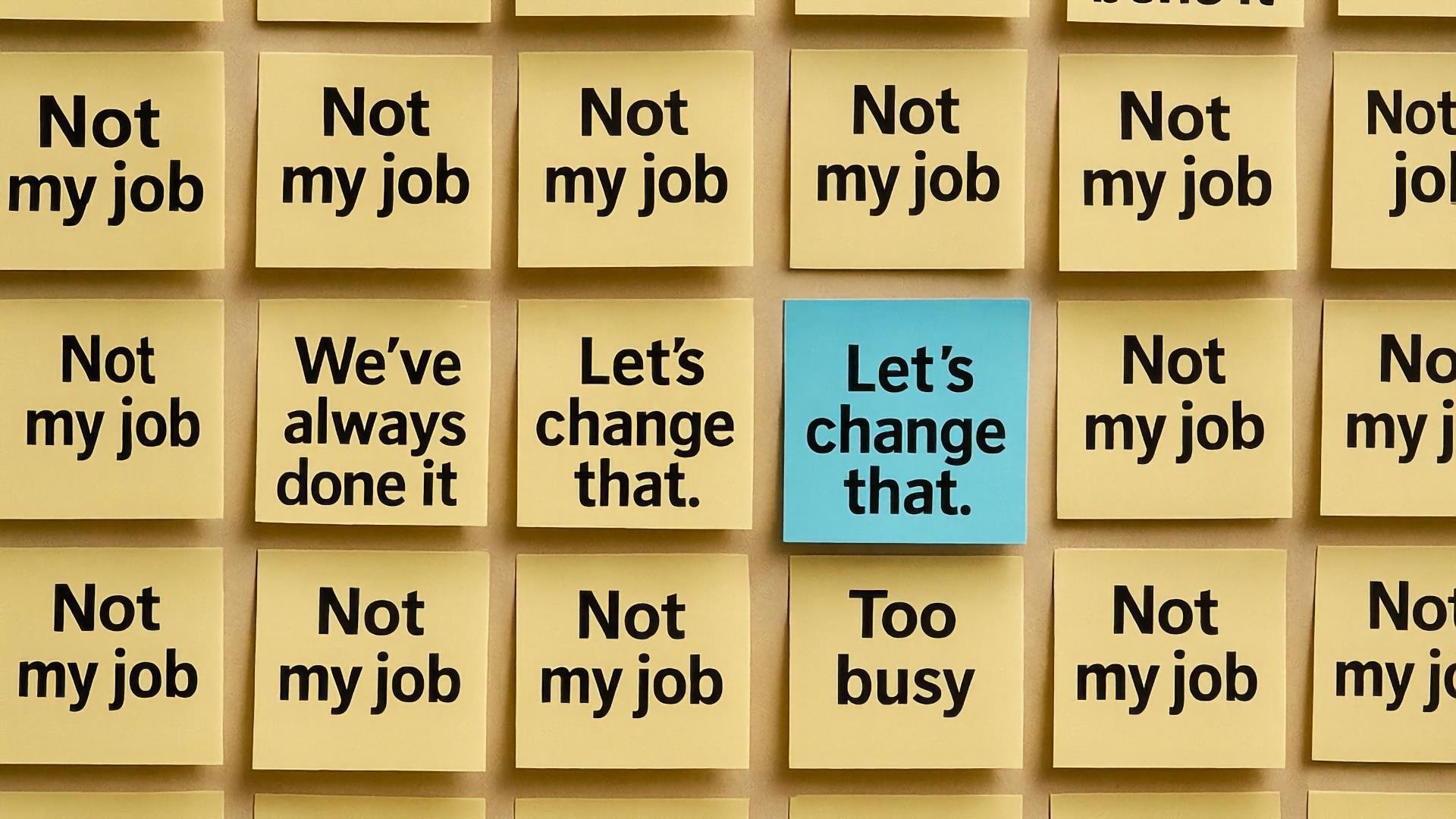
In a brutally honest presentation to Milson Rotary and visiting presidents from Palmerston North and Papaioea clubs, Lorraine Hughes of Feilding Oroua Rotary Club delivered a stark wake-up call: Rotary is dying from within, and only radical change can save it.
Having attended the Rotary Zone 8 Fit for Purpose Program in Sydney, Lorraine came back armed with both insight and urgency. Her message cut through the Rotary rituals and polite traditions: our clubs are ageing, shrinking, and losing purpose—fast.
“We started with nearly 60 members after merging clubs,” she said. “Now we’re lucky to get 25 to do anything.”
She reminded attendees that while many clubs are comforted by history and protocol, comfort is killing us. “We’ve become a club of R.O.M.E.O.s—Rich Old Men Eating Out,” she said, quoting a phrase from the Zone 8 program that drew gasps and laughter—but also hit a nerve.
The Problem, Laid Bare
Lorraine’s presentation, backed by real data and unflinching observations, outlined the four pillars of Rotary’s membership crisis:
1. Declining Relevance
- Rotary is often perceived as outdated and elitist.
- Young people are missing—and staying away.
- Our shrinking, older membership base means we are losing the capacity to serve or connect.
2. Poor Communication
- Rotary’s message is lost in jargon: 4-Way Tests, areas of focus, endless mottos.
- Clubs fail to tell compelling stories about what we do, or why it matters.
3. Outdated Culture
- Traditions like head tables, classifications, and rigid formality alienate potential members.
- The next generation wants authenticity, action, and relevance—not silver cutlery and long speeches.
4. Low Engagement & Apathy
- Club leadership often falls on the same few shoulders.
- New members are thrown in the deep end or ignored.
- Too often, members view Rotary as a weekly meal, not a movement for change
The Lameroo Lesson: A Cold, Wet Slap of Reality
Lorraine shared the haunting story of Lameroo, a small town in South Australia where the Rotary Club, after years of decline, handed in its charter. Within six months, a new Lions Club was formed and gained 36 members in a single night.
“It wasn’t that the community didn’t want service,” she said. “It’s that Rotary no longer fit the purpose.”
What Needs to Change
Lorraine didn’t just identify the issues—she’s already started fixing them at Feilding Oroua. Her action plan includes:
- Rebuilding the club website with AI tools for clarity and accessibility
- Rebranding with visible polos and signage to promote identity
- Leveraging Stuff.co.nz for media campaigns
- Restructuring meetings to be more inviting, informal and meaningful
- Creating membership events with a proven, step-by-step invitation process
- Embracing a cause or identity to give the club focus and direction
She warned against clubs that resist change: “Those who cling to the Rotary of the ’80s will not survive in 2025.”
A Call to Action
The question Lorraine left the room with was both personal and collective:
“Is your club full of ROMEOs—or do you still have the courage to evolve?”
If Rotary is to remain relevant, clubs must stop talking about change and start becoming the change.
Every member is responsible.
It’s time to shed comfort, abandon outdated habits, and rediscover purpose. The future of Rotary depends on what we do next.